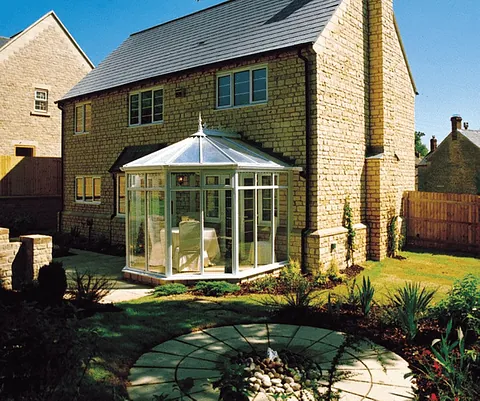
Adding more space to your home is a major investment, but the terminology can be a minefield. Should you choose a conservatory extension, a traditional extension and conservatory hybrid, or a grand orangery extension?
In 2026, the lines between these structures are blurring thanks to advanced glazing and “hybrid” building technologies. This guide breaks down the conservatory vs extension debate to help you choose the right fit for your budget and lifestyle.
What is an Orangery Extension?
To understand the options, we first need to define the “middle ground.” What is an orangery extension? Historically used for growing citrus trees, a modern orangery is a cross between a traditional extension and a conservatory.
-
- Structure: It features solid brick pillars and a perimeter flat roof.
-
- The Signature: A central glass roof lantern that floods the room with light.
-
- The Feel: It feels more permanent and “room-like” than a conservatory but remains brighter than a standard brick extension.
Conservatory vs Extension: Key Differences
When weighing up an extension vs conservatory, the decision usually comes down to three factors: light, cost, and how you plan to use the room.
| Feature | Conservatory | Extension | Orangery |
| Primary Material | Majority Glass/uPVC | Brick & Mortar | Brick Pillars & Glass |
| Roof Type | Translucent (Glass/Poly) | Tiled/Solid | Flat roof with Lantern |
| Build Time | 3–5 Weeks | 3–6 Months | 6–12 Weeks |
| Best For | Garden rooms, sun lounges | Kitchens, bedrooms, offices | Open-plan diners, luxury lounges |
Extension and Conservatory: Can you have both?
Many homeowners now opt for a “hybrid” approach. You can build a brick extension and conservatory together, or replace an old conservatory roof with a lightweight tiled system to give it an “extension-style” performance.
Planning Difference Between Conservatory and Extension
One of the most important hurdles is the planning difference between conservatory and extension projects.
-
- Conservatories: Often fall under Permitted Development (PD). They are usually exempt from Building Regulations if they are under 30m², built at ground level, and separated from the main house by external-quality doors.
-
- Extensions: Almost always require Building Regulations approval because they involve structural changes to the thermal envelope of your home.
-
- Orangeries: Because they use more brickwork and are often designed to be “open-plan” to the house, they typically follow the same strict regulations as a standard extension.
Orangery vs Extension: Which is right for you?
If you want a solid room but crave the sky-view of a glass roof, the orangery vs extension debate gets interesting.
-
- Choose an Orangery or Extension? If your goal is a seamless, open-plan kitchen-diner, a traditional extension is easier to insulate to a high standard. However, an orangery or extension with a roof lantern offers a “wow factor” that a standard flat-roof extension can’t match.
-
- Cost Factor: In 2026, orangeries are generally more expensive than conservatories but slightly more cost-effective than a full-blown brick extension.
Making the Final Choice
The right choice depends on your “355-day” goal. If you want a room that is as warm in January as it is in July, a traditional extension or a high-spec orangery is your best bet. If you want an affordable, light-filled space to enjoy your garden, a modern conservatory extension remains the UK’s favourite choice.
Pro Tip: Always check if your property has “Article 4 Directions” which might restrict your Permitted Development rights, even for a small conservatory.
The Ultimate Guide to Conservatory Extensions and Orangeries